Android-x86

Android-x86 is an open-source project that ports the Android operating system to x86 architecture, enabling users to run Android apps and games on desktop and laptop computers. It supports hardware acceleration, multi-boot configurations, and provides a complete Android experience with Google Play Store access on traditional PC hardware.
operating_system

Gallery

About Android-x86

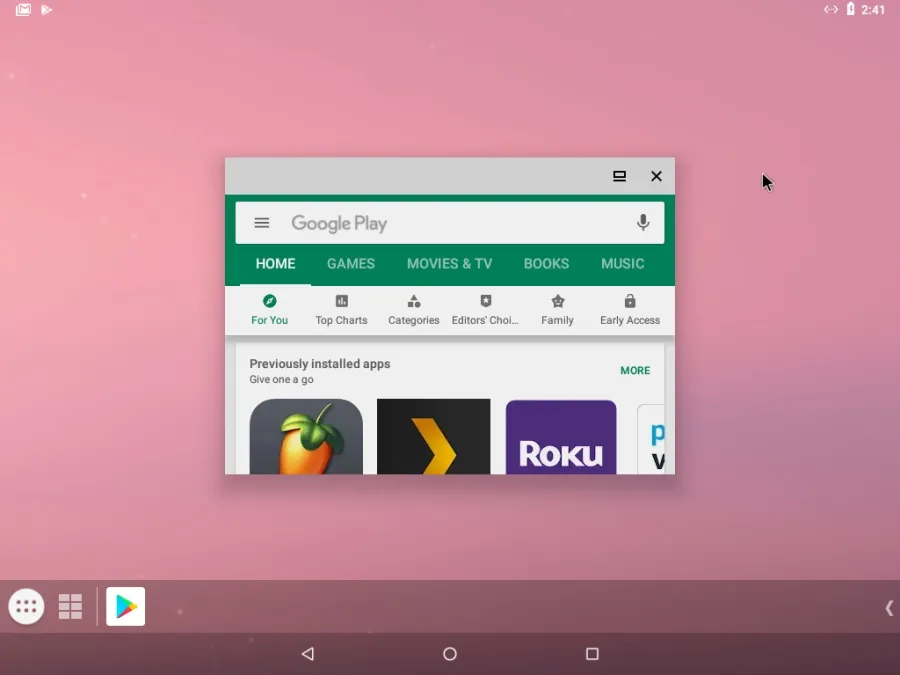
Android-x86 represents a significant milestone in cross-platform computing, serving as a free and open-source port of the Android Open Source Project (AOSP) tailored for x86-based hardware. This innovative solution allows users to experience the full Android ecosystem on devices traditionally powered by Intel or AMD processors, effectively bridging the gap between mobile and desktop computing environments. The project has evolved significantly since its inception, with releases spanning from early versions like Donut (1.6) to more recent iterations such as Android 9.0 Pie (9.0-r2). The primary appeal of Android-x86 lies in its versatility and accessibility. Developers can utilize it for app testing without physical Android devices, while gamers can enjoy mobile titles with enhanced performance on larger screens. The system supports hardware acceleration for graphics, enabling smooth gameplay and multimedia playback that leverages the superior capabilities of PC components. Additionally, Android-x86 offers flexible installation options, including bootable USB drives, dual-boot configurations with Windows, and even integration into existing Linux systems through RPM packages. From a technical standpoint, Android-x86 incorporates several advanced features that distinguish it from standard Android installations. It includes a custom kernel optimized for x86 architecture, support for multitasking through resizable windows, and comprehensive compatibility with peripherals such as Wi-Fi, Bluetooth, and touchscreen devices. The project also addresses specific hardware challenges through targeted optimizations, such as improved support for Intel HD Graphics and AMD Radeon GPUs, though Nouveau (NVIDIA) drivers remain problematic in some releases. The ecosystem around Android-x86 has spawned several derivative projects, including Bliss OS, PrimeOS, and Phoenix OS, each offering unique enhancements while building upon the core Android-x86 foundation. These alternatives often focus on specific use cases like gaming (PrimeOS) or customization (Bliss OS), but Android-x86 remains the most direct and authentic implementation of the Android experience on x86 hardware. Despite its strengths, Android-x86 does face certain challenges. Hardware compatibility can vary significantly between devices, with some users reporting issues with battery detection, Wi-Fi connectivity, and suspend/resume functionality. The project's documentation, while improving, has historically been fragmented, with system requirements sometimes buried in release notes rather than clearly stated on the main download page. However, recent releases have shown improvement in this area, with clearer communication of features and known issues. For users seeking to repurpose older hardware or create a unified computing experience across devices, Android-x86 offers a compelling solution. Its low resource requirements compared to traditional desktop operating systems, combined with the vast app ecosystem of Android, make it particularly attractive for breathing new life into aging laptops and netbooks. As the project continues to evolve with updates to newer Android versions and kernel improvements, it stands as a testament to the flexibility and adaptability of the Android platform beyond its mobile origins.

Features

Full Android Experience
Hardware Acceleration
Multi-Window Support
Flexible Installation Options
Peripheral Support
Custom Kernel
Open Source
Developer-Friendly
Live Mode Capability

System Requirements

Minimum Requirements

CPU

Intel or AMD x86 processor with SSE3 support (32-bit) or SSE4 support (64-bit)

Memory (RAM)

2 GB

Storage

8 GB free space

Write a Review

Reviews are moderated. Your review will be published after being approved by an administrator.

Have an account? Log in to post a review, or continue below with your name and email.

Share what you like or dislike about this emulator. Maximum 1000 characters.

Your email won't be published publicly.

Ratings & Reviews

5.0
1 review

Rating Distribution

5
1 100%
4
0 0%
3
0 0%
2
0 0%
1
0 0%

Positive Ratings

100%

Average Rating

5.0/5

User Reviews

V

velan

25 Apr, 2026
5
Excellent
No comment provided.
Android-x86

Download Android-x86

Get the latest version of Android-x86 and start using it right away.

Latest Version
9.0
Added
Mar 26, 2022
Download Now
726 MB
Free
Safe & Virus-Checked

Related Software

Prime OS

Prime OS

PrimeOS is a desktop operating system based on Android, allowing users to run Android apps and games on PCs. It combines the Android ecosystem with a desktop-like interface, offering multi-window support, key mapping for gaming, and compatibility with most apps. Ideal for both gaming enthusiasts and developers.
Phoenix OS

Phoenix OS

Phoenix OS is a versatile Android-based operating system tailored for desktops and laptops, merging the flexibility of mobile apps with a desktop-style experience. It features a sleek interface with a taskbar, start menu, and multi-window capabilities, making it perfect for users seeking productivity and entertainment on larger screens.

Bliss OS

Bliss OS

Bliss OS is an open-source Android-based operating system for PCs, offering a desktop-like experience with full Android app compatibility. It supports x86/ARM architectures, enabling users to run mobile apps on laptops or desktops. With customization, regular updates, and community-driven development, Bliss OS bridges mobile and desktop computing seamlessly.

Remix OS

Remix OS

Remix OS was a discontinued Android-based operating system for x86 and ARM PCs, developed by Jide Technology. It featured a desktop interface with multi-window support, keyboard/mouse optimization, and Google Play integration, enabling users to run Android apps on computers. Based on Android-x86, it aimed to bridge mobile and desktop experiences but was discontinued in 2017 due to strategic shifts.

OpenThos

OpenThos

OpenThos is an open-source desktop operating system based on Android-x86, developed by Tsinghua University, Tongfang, and Emind Software. It bridges the gap between mobile and desktop computing, enabling users to run millions of Android applications on PCs and laptops while maintaining a familiar desktop experience with multi-window support and robust security features like trusted computing and encryption.